Chapter 2
Recovery after cardiac surgery is a gradual process. Following your healthcare team's instructions, avoiding activities that strain your healing body, and promptly reporting any concerning symptoms can help ensure a safer and more successful recovery
Do Not Lift Heavy Objects
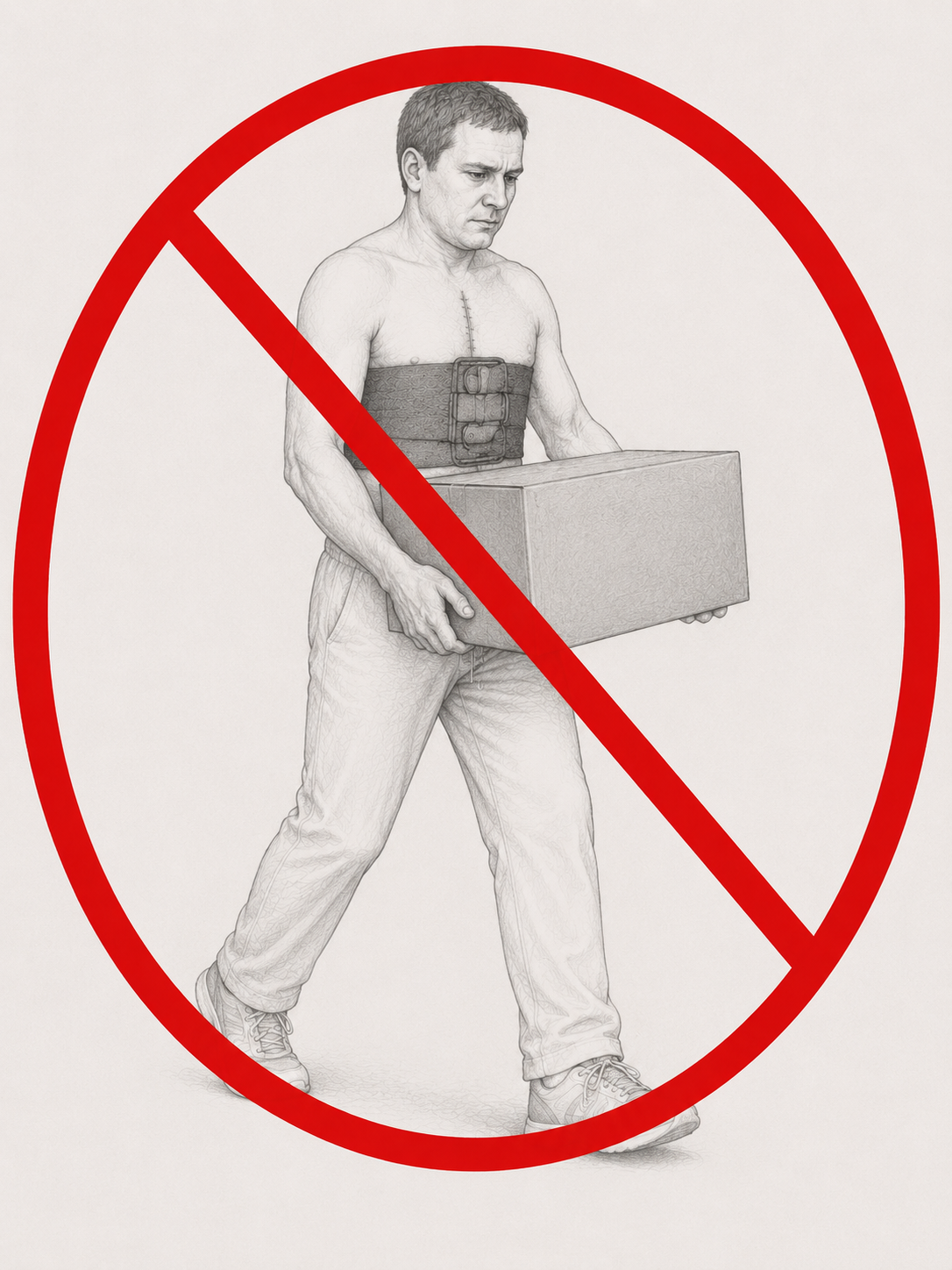
❌ Avoid lifting, pushing, or pulling anything heavier than the weight recommended by your healthcare provider.
❌ Do not carry heavy grocery bags, suitcases, children, or pets during the early recovery period.
❌ Avoid strenuous household chores such as moving furniture, vacuuming, or heavy gardening.
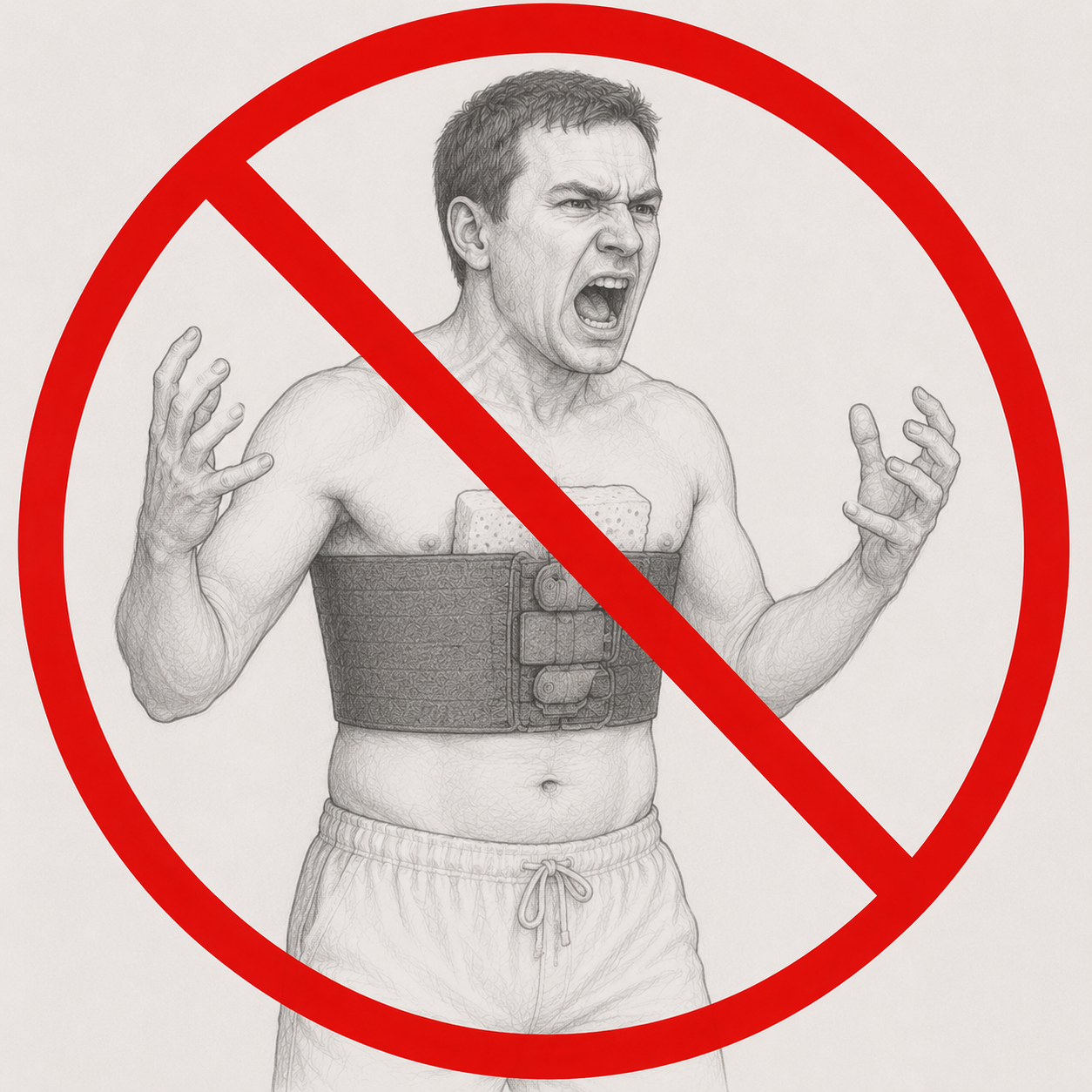
Do Not Strain Your Chest
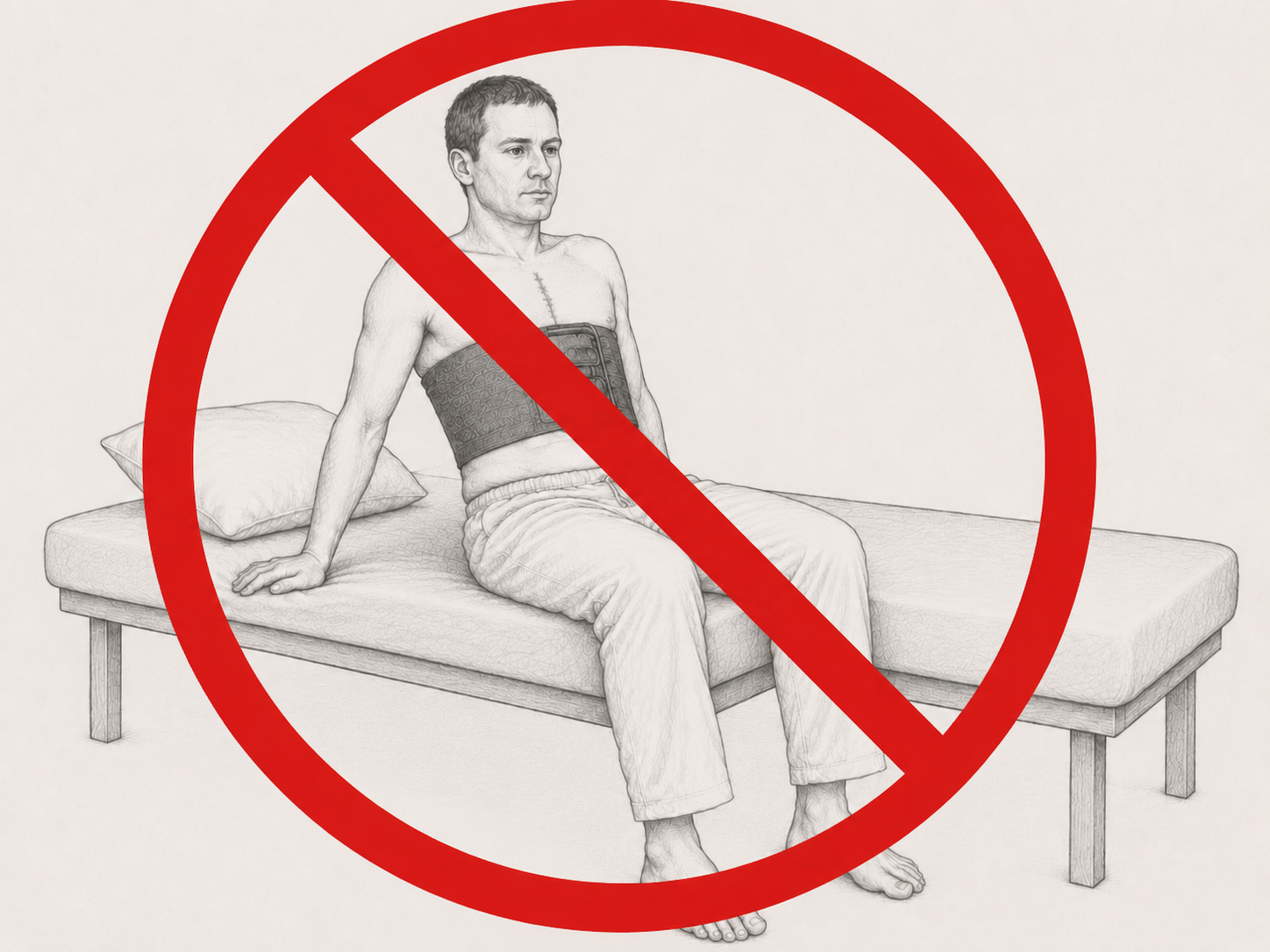
❌ Avoid pushing yourself up from a chair using your arms.
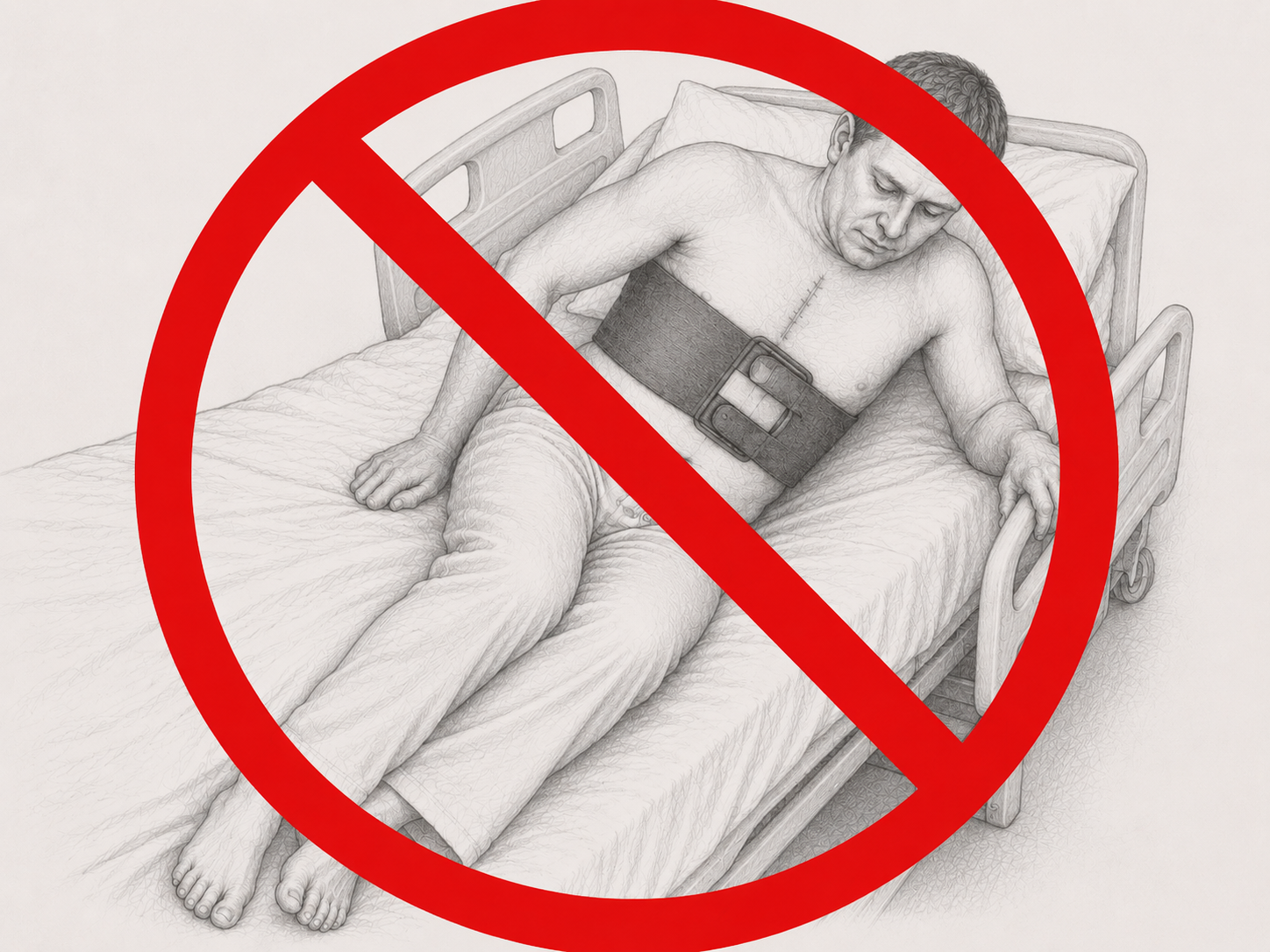
❌ Do not pull yourself up using bed rails or overhead supports.
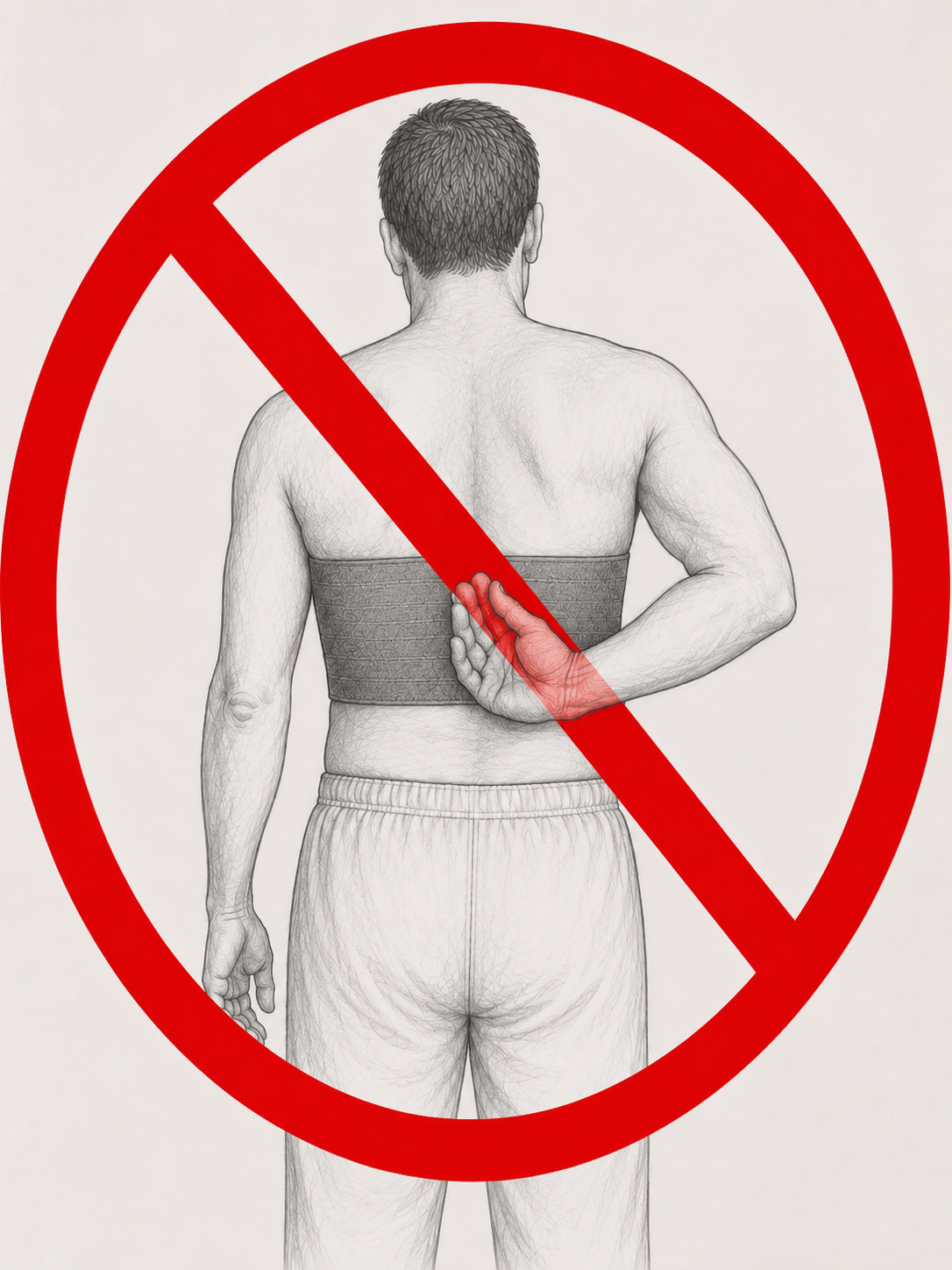
❌ Avoid sudden twisting, reaching, or stretching movements that place stress on your breastbone.
❌ Do not perform upper-body exercises unless approved by your healthcare team.
Do Not Ignore Breathing Exercises
❌ Do not skip your incentive spirometer exercises.
❌ Avoid shallow breathing due to discomfort.
❌ Do not suppress coughing if instructed to clear your lungs; support your chest with a pillow when coughing.
Do Not Smoke or Use Tobacco Products
❌ Smoking significantly delays healing and increases the risk of heart and lung complications.
❌ Avoid exposure to secondhand smoke whenever possible.
Do Not Miss Your Medications
❌ Never stop prescribed medications without consulting your doctor.
❌ Do not change medication doses on your own.
❌ Avoid taking over-the-counter medicines or supplements without medical approval.
Do Not Ignore Warning Signs
(Contact your healthcare provider if you experience)
❌ Increasing redness, swelling, or drainage from your incision.
❌ Fever or chills.
❌ Shortness of breath that worsens.
❌ Rapid or irregular heartbeat.
❌ Sudden weight gain or swelling in the legs.
❌ Persistent chest pain not explained by your surgical recovery.
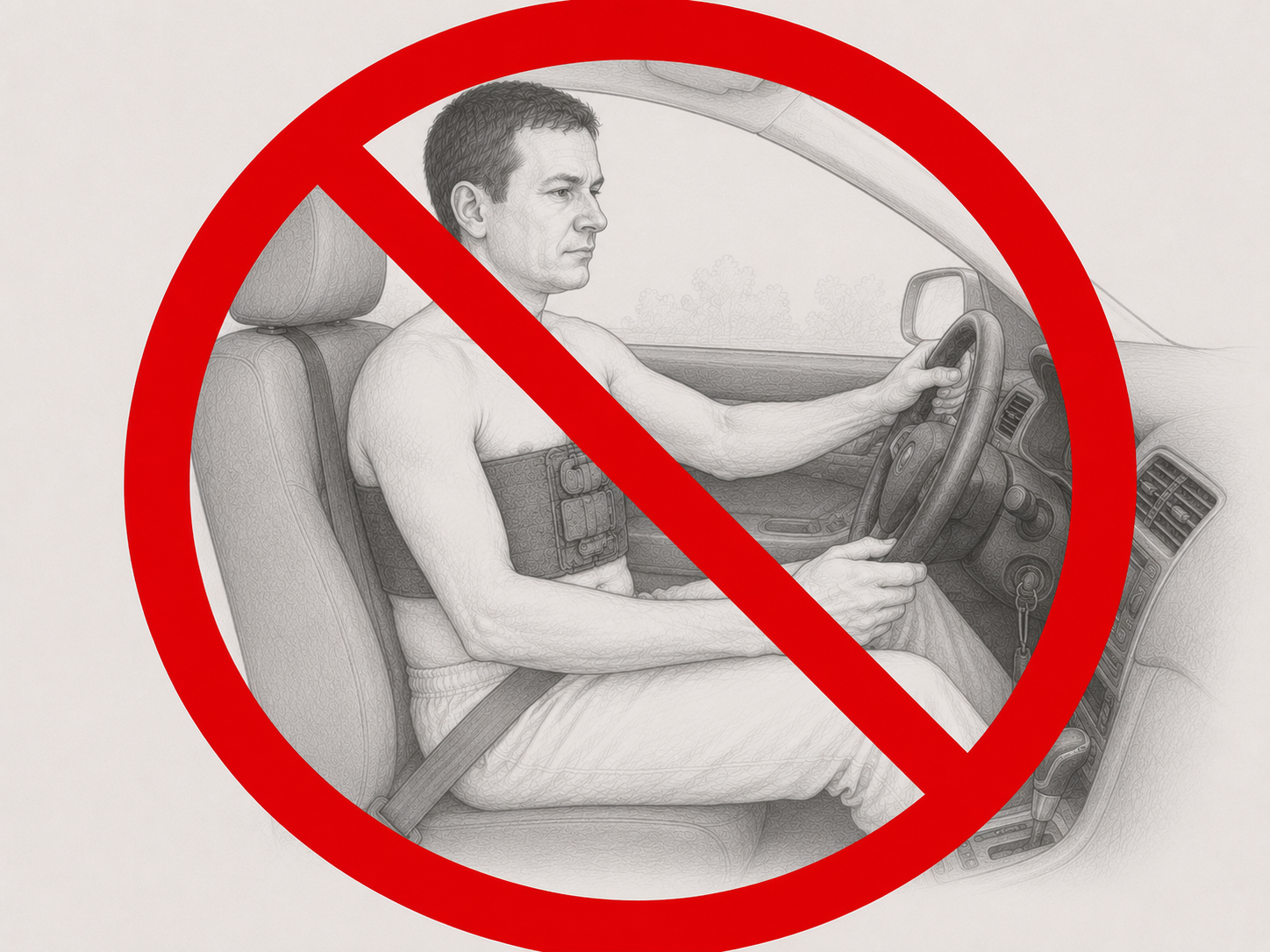
Do Not Drive Too Soon
❌ Avoid driving until your surgeon confirms it is safe.
❌ Sudden steering movements or emergency braking can place stress on your healing chest.
Do Not Become Completely Inactive
❌ Avoid staying in bed all day unless specifically instructed.
❌ Do not sit for prolonged periods without moving.
❌ Avoid skipping your walking program or cardiac rehabilitation sessions.
Do Not Return to Normal Activities Too Quickly
❌ Avoid rushing back to work before receiving medical clearance.
❌ Do not resume strenuous exercise, sports, or heavy physical activity prematurely.
❌ Avoid overexertion even if you start feeling better.
Do Not Neglect Proper Nutrition and Hydration
❌ Avoid excessive salt intake.
❌ Limit foods high in saturated fats and processed sugars.
❌ Do not become dehydrated unless fluid restrictions have been prescribed.
Do Not Ignore Emotional Health
❌ Avoid isolating yourself from family and friends.
❌ Do not ignore feelings of anxiety, sadness, or depression.
❌ Seek support from healthcare professionals if emotional difficulties persist.